Early signs of PCOS women should not ignore
PCOS symptoms explained: When acne and hair growth may signal a hormonal problem
Many women experience acne, unwanted facial hair, or irregular periods at some point in their lives. These problems are often blamed on stress, diet, lifestyle changes, or genetics. However, doctors say that when several of these symptoms appear together, they may sometimes indicate a hormonal condition called Polycystic Ovary Syndrome.
PCOS is one of the most common hormonal conditions affecting women during their reproductive years. It can influence menstrual cycles, skin health, hair growth, and overall hormonal balance. Although the condition is common, many women remain unaware of it because the symptoms often appear gradually.
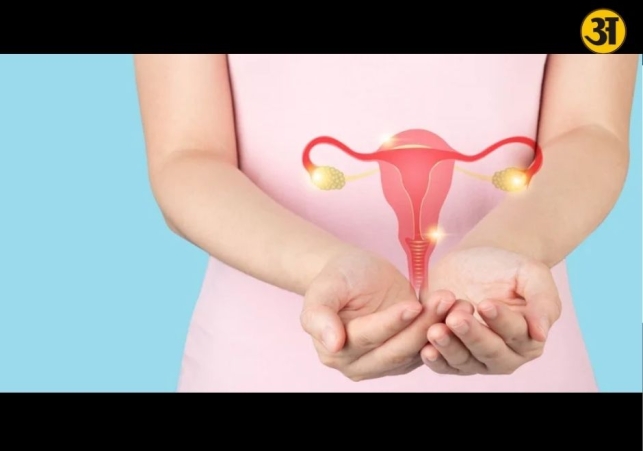
Medical experts explain that PCOS develops when the ovaries produce higher levels of certain hormones known as androgens. These hormones are often referred to as “male-type hormones,” although they are naturally present in small amounts in women as well.
When androgen levels become higher than normal, they can disrupt the body’s hormonal balance. This may lead to irregular menstrual cycles and noticeable changes in the skin and hair.
Because these symptoms may seem unrelated at first, many women do not immediately connect them to a hormonal condition.
Early symptoms often appear slowly
Unlike many illnesses that appear suddenly, PCOS usually develops slowly over time. The early signs may be subtle and easy to ignore.
One of the most common symptoms is irregular menstrual cycles. Some women may notice their periods becoming unpredictable. Others may experience very long gaps between cycles, while some may have unusually heavy or light bleeding.
Another early sign is persistent acne. While acne during teenage years is very common, acne that continues into adulthood may sometimes be linked to hormonal changes.
Hormonal acne often appears along the jawline, chin, chest, or back. It may also be more difficult to treat with regular skincare products.
Changes in hair growth are another possible sign. Some women with PCOS may develop thick or coarse hair on areas such as the chin, upper lip, chest, or stomach. This condition is known as Hirsutism.
At the same time, hair on the scalp may begin to thin, particularly around the crown of the head.
Because these changes happen gradually, many women assume they are simply part of ageing or normal body changes.
However, when symptoms such as acne, facial hair growth, and irregular periods appear together, doctors say it may be important to investigate further.
ALSO READ: Pakistan raises petrol price by PKR 55 per litre amid Middle East conflict
ALSO READ: Jaishankar speaks with Iran and Oman as India pushes for diplomacy in Middle East crisis
When medical attention may be needed
Doctors usually recommend medical evaluation when certain symptoms become persistent or severe. For example, if menstrual cycles become extremely irregular or stop completely for several months, it may indicate a hormonal imbalance.
Persistent acne that does not improve with standard treatments may also require medical attention. In some cases, hormonal acne may not respond well to normal skincare products or medications.
Another sign that may require attention is sudden or rapid hair growth on the face or body. If this happens alongside scalp hair thinning, it could suggest an increase in androgen levels.
Some women with PCOS may also experience unexpected weight gain, particularly around the abdomen. Dark patches of skin may appear around the neck, underarms, or groin area. This skin condition is known as Acanthosis Nigricans.
When these symptoms appear, doctors may recommend certain tests to confirm the diagnosis.
These tests often include blood tests to measure hormone levels in the body. Doctors may also check levels of important hormones such as Testosterone.
In some cases, an ultrasound examination may be performed to observe the ovaries and check for small cysts that are sometimes associated with PCOS.
Although the name “polycystic ovary syndrome” suggests that cysts are always present, this is not true for every patient. Some women may have PCOS symptoms even without visible cysts on the ovaries.
Doctors say that early diagnosis is important because PCOS can affect more than just menstrual health. If left untreated, the condition may increase the risk of other health problems later in life.
However, experts also emphasise that PCOS can be managed successfully with proper care and lifestyle changes.
Treatment usually depends on the individual symptoms that are most troubling for the patient. For some women, the focus may be regulating menstrual cycles. Others may seek treatment for acne, excessive hair growth, or fertility concerns.
Lifestyle changes are often the first step in managing the condition. Doctors commonly recommend regular physical activity, balanced nutrition, adequate sleep, and stress management.
Maintaining a healthy weight can also help improve hormonal balance in some cases. Even small lifestyle adjustments can sometimes make a noticeable difference in symptoms.
In addition to lifestyle changes, doctors may prescribe medications to regulate hormones, control acne, or reduce excess hair growth when necessary.
Experts say awareness plays a major role in managing PCOS effectively. Because the symptoms may appear slowly, many women ignore them for years.
Understanding the connection between hormonal changes and symptoms such as acne, facial hair, and irregular periods can encourage women to seek medical advice earlier.
Early diagnosis allows doctors to develop personalised treatment plans and prevent complications in the future.
With proper medical guidance and healthy lifestyle habits, most women with PCOS are able to manage their symptoms successfully and lead active, healthy lives.
Related News